
What to Know Before Installing a New Kitchen
Installing a new kitchen is one of the most rewarding home improvement projects, but it also requires careful planning to avoid costly mistakes.
From setting a realistic budget to choosing the right layout and materials, every decision can impact the functionality, appearance, and long-term value of your kitchen. Whether you’re renovating an outdated space or fitting a kitchen into a newly built home, understanding the installation process will help ensure everything runs smoothly.
In this guide, we’ll cover everything you need to know before installing a new kitchen, including planning tips, budgeting, layout considerations, material choices, and common mistakes to avoid.

New Kitchen Installation
A successful kitchen installation starts long before the first cabinet is fitted. Planning each stage carefully helps prevent delays, unexpected expenses, and design issues later in the project.
Before getting started, consider:
- Your overall budget
- The size and layout of the room
- Your storage requirements
- Appliance locations
- Plumbing and electrical work
- Lighting design
- Ventilation
- Installation timeline
Having a clear plan allows your kitchen installer to complete the project more efficiently while ensuring every element works together seamlessly.
Set a Realistic Budget
You don’t create unforgettable spaces all over the world with a single design tool. Our expertise in drawing people together is as broad as it is deep. It draws from a variety of disciplines, each one contributing to the bigger picture and sustainable growth. More than 3,000 projects fill our portfolio, but it’s the millions of people who experience them who matter most. We’ve grouped our work into five categories: places, venues, spaces, experiences and events.
- Kitchen cabinets
- Worktops
- Sink and taps
- Appliances
- Flooring
- Wall tiling
- Electrical work
- Plumbing
- Decorating
- Labour costs
- Waste removal
It’s also wise to set aside an additional 10-15% contingency fund for unexpected repairs or changes during installation.
Choose the Right Kitchen Layout
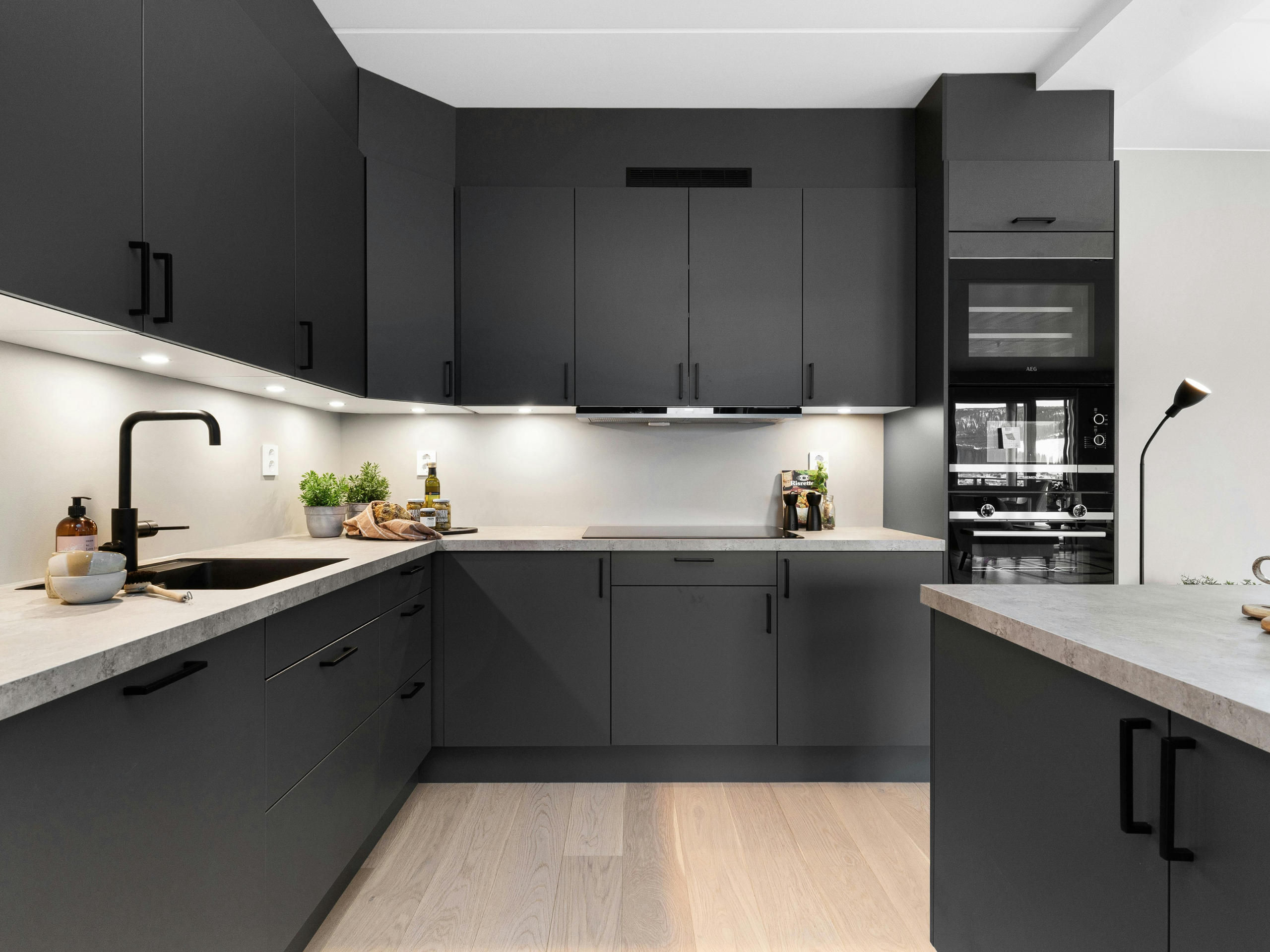
The layout is one of the most important decisions you’ll make because it affects how comfortable and practical your kitchen will be.
Popular kitchen layouts include:
- Galley kitchens for smaller spaces
- L-shaped kitchens for open-plan living
- U-shaped kitchens for maximum storage
- Island kitchens for larger homes
- Peninsula kitchens for added workspace
A professional kitchen designer can help optimise your available space while ensuring appliances are positioned efficiently.
Think About Storage
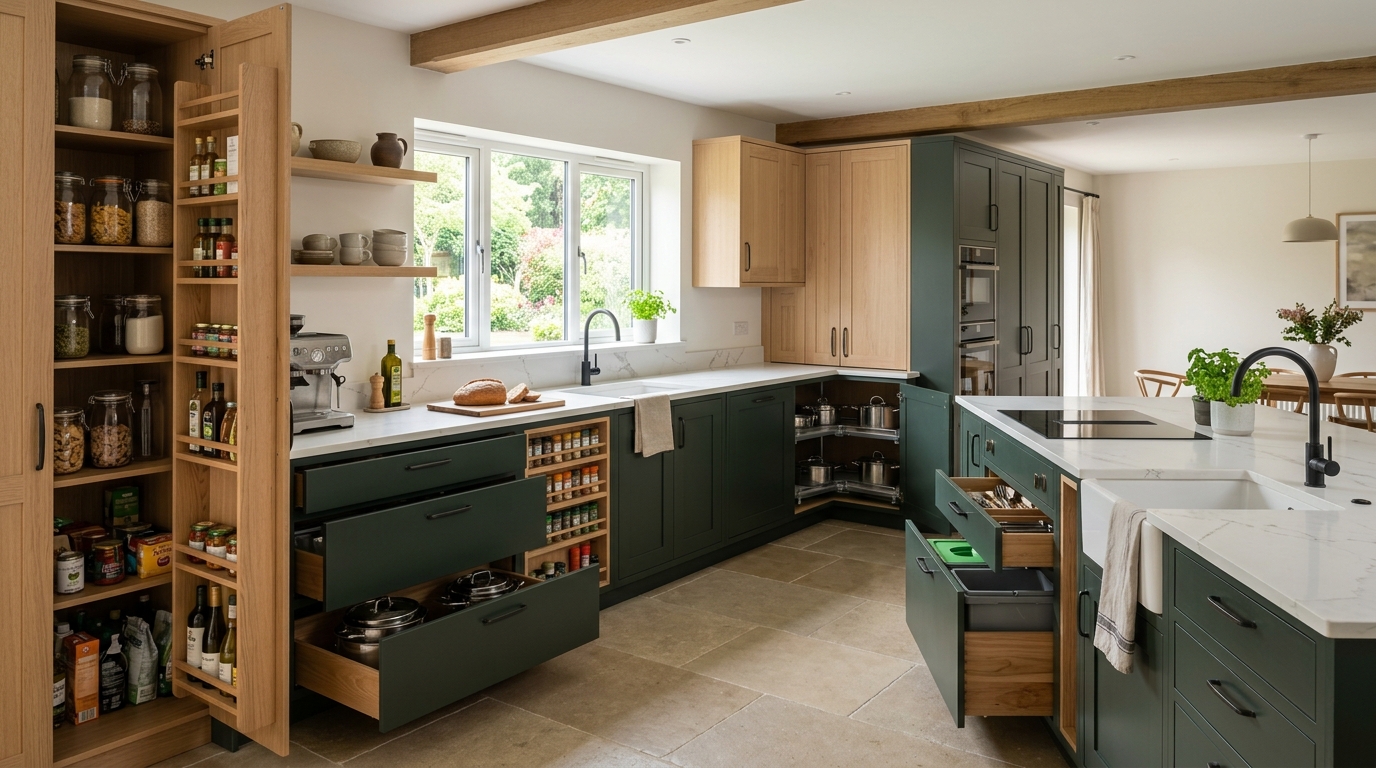
One of the biggest regrets homeowners have after installing a new kitchen is not including enough storage.
Consider incorporating:
- Deep pan drawers
- Pull-out larder units
- Corner storage solutions
- Integrated recycling bins
- Ceiling-height cabinets
- Built-in spice racks
- Hidden appliance storage
Well-designed storage makes everyday cooking easier while keeping worktops clutter-free.
Select Durable Materials
Your kitchen experiences daily wear and tear, so choosing high-quality materials is essential.
When selecting materials, consider:
- Moisture resistance
- Scratch resistance
- Ease of cleaning
- Heat resistance
- Long-term durability
- Maintenance requirements
Quartz worktops, solid wood cabinetry, ceramic tiles, and quality fixtures often provide the best long-term value despite the higher initial investment.
Plan Your Lighting
Lighting is often overlooked but plays a major role in both functionality and atmosphere.
A balanced lighting plan should include:
- Ceiling lighting for general illumination
- Under-cabinet lighting for food preparation
- Pendant lights above islands
- Accent lighting for display areas
- Natural light wherever possible
Layering different types of lighting creates a kitchen that is both practical and inviting.
Don’t Forget Plumbing and Electrical Work
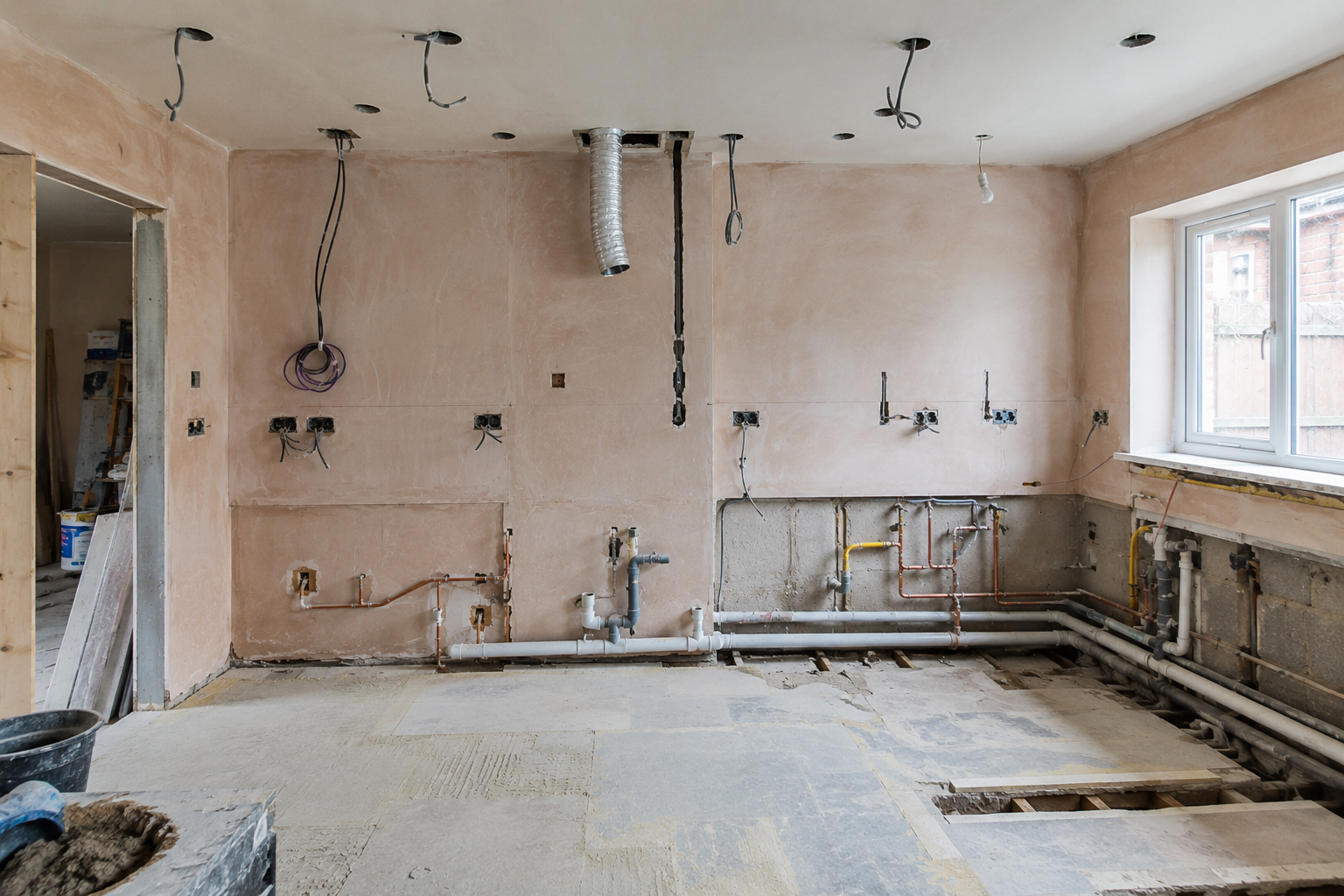
Kitchen installation usually requires updates to plumbing and electrical systems, especially if appliances are being relocated.
You may need:
- Additional electrical sockets
- New lighting circuits
- Appliance wiring
- Water supply adjustments
- Waste pipe relocation
- Gas connections
- Extractor fan installation
These tasks should always be carried out by qualified professionals to ensure compliance with local building regulations.
Choose Energy-Efficient Appliances
Modern energy-efficient appliances can significantly reduce electricity and water consumption while improving performance.
Look for appliances with:
- High energy ratings
- Water-saving features
- Smart technology
- Quiet operation
- Long manufacturer warranties
Although they may cost more initially, efficient appliances often save money over time through lower utility bills.
Understand the Installation Timeline
Knowing how long the installation will take helps you plan around temporary disruptions.
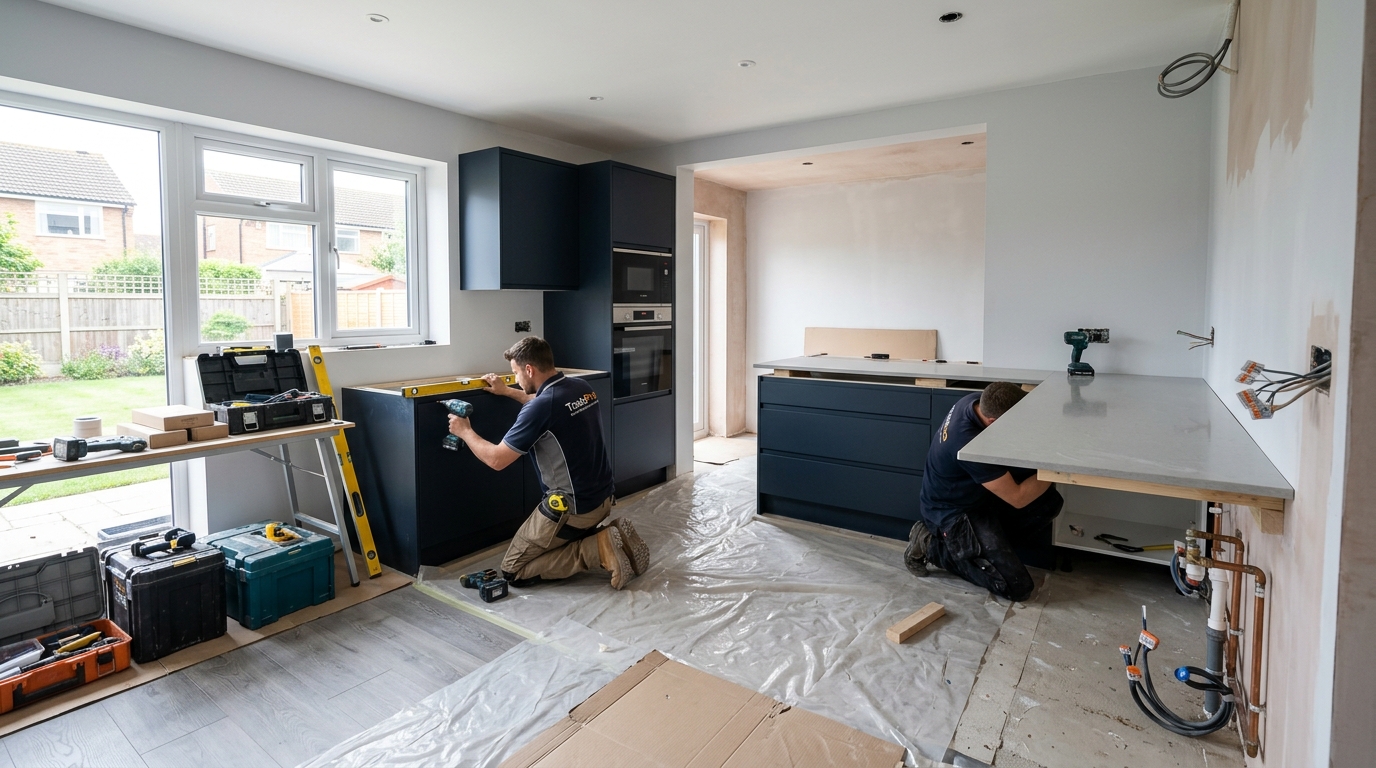
A typical kitchen installation may include:
- Removing the old kitchen: 1-2 days
- Electrical and plumbing work: 2-4 days
- Flooring installation: 1-3 days
- Cabinet installation: 2-5 days
- Worktop fitting: 1-2 days
- Decorating and finishing: 2-4 days
Overall, most kitchen installations take between two and four weeks, depending on the complexity of the project.
Hire Experienced Kitchen Installers
Choosing the right installer is just as important as selecting quality materials.
Before hiring a contractor:
- Read customer reviews
- Ask for references
- Request detailed written quotations
- Confirm insurance coverage
- Check qualifications and certifications
- Review previous projects
- Discuss project timelines
An experienced installer can identify potential issues early and ensure the finished kitchen meets high standards.
Common Mistakes to Avoid
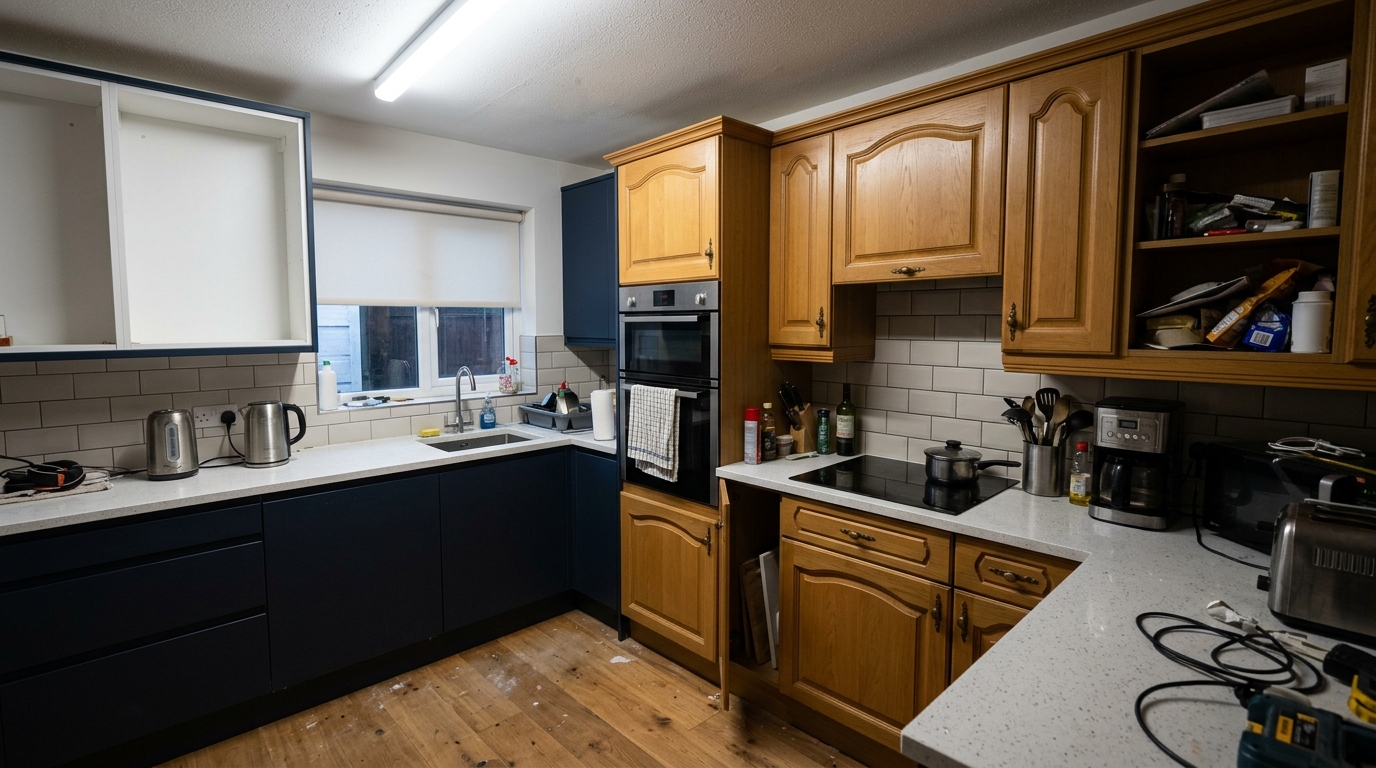
Many kitchen renovation problems can be prevented with proper planning.
Avoid these common mistakes:
- Underestimating the budget
- Choosing style over functionality
- Ignoring storage needs
- Poor lighting design
- Buying appliances before measuring
- Not allowing enough workspace
- Forgetting ventilation requirements
- Hiring based solely on the lowest quote
Taking time to plan each aspect of your project will help you avoid expensive corrections later.
Frequently Asked Questions
How much should I budget for a new kitchen installation?
The total cost depends on the kitchen size, materials, appliances, and labour. It’s important to budget for installation, plumbing, electrical work, flooring, decorating, and unexpected expenses in addition to the kitchen units themselves.
How long does it take to install a new kitchen?
Most installations take between two and four weeks, although larger or more complex renovations may require additional time.
Should I replace appliances during a kitchen renovation?
If your existing appliances are old or inefficient, replacing them during the renovation is often more cost-effective than upgrading them later.
Do I need planning permission for a new kitchen?
In most cases, internal kitchen renovations do not require planning permission. However, structural alterations or extensions may require approval depending on local regulations.
Can I stay in my home during the installation?
Yes, although you’ll likely be without a functioning kitchen for part of the project. Many homeowners set up a temporary cooking area until the work is completed.
Final Talk
Installing a new kitchen is a significant investment that can improve your home’s functionality, comfort, and value for years to come.
By planning your budget carefully, choosing the right layout, selecting durable materials, and hiring experienced professionals, you can avoid common renovation mistakes and enjoy a smooth installation process.
Taking the time to understand what to know before installing a new kitchen will help you create a space that not only looks beautiful but also meets your family’s everyday needs.
